
At a glanceDoor-to-door car shipping is a service that picks up and delivers vehicles directly to your location. This method is popular for those moving long distances or who lack the means to transport their cars themselves. In 2022, the industry saw a 10% growth, with over 2 million cars shipped across the country. The process involves booking a carrier, preparing your vehicle, and tracking its progress during transit.
Key Takeaways
Door-to-door car shipping offers significant convenience, saving customers time and effort compared to traditional methods.
This service is particularly beneficial for individuals relocating to new cities or those with limited mobility.
According to a 2022 survey, 73% of customers preferred door-to-door shipping for its hassle-free experience and guaranteed on-time delivery.
Compared to drop-off and pick-up shipping, door-to-door services reduce the risk of vehicle damage during transportation by 35%, according to industry data from 2021.
Specialized carriers often provide real-time tracking, allowing clients to monitor their vehicles’ progress and anticipate arrival times with accuracy.
The growing popularity of electric vehicles (EVs) has led to an increase in door-to-door shipping services catering to the unique needs of EV owners, ensuring proper handling of battery-related concerns.
While costs can vary, door-to-door shipping often proves more economical for long-distance moves, with potential savings of up to 20% compared to traditional methods.
Door to door car shipping has become an indispensable service in today’s fast-paced, mobile world. Whether relocating across the country or simply moving to a new home down the block, the need to transport vehicles efficiently and safely is paramount. However, navigating the complexities of auto shipping can be a daunting task, fraught with regulatory hurdles and a plethora of options. This article examines into the intricacies of door to door car shipping, providing a clear, concise guide for consumers. We’ll explore the legal framework, from the Federal Motor Carrier Safety Administration (FMCSA) to the Motor Carrier Act, and dissect the range of services offered by auto transport companies, ensuring a smooth experience for every customer.
Door To Door Car Shipping in : Where to Start
Looking for door to door car shipping in ? Dispatch Dudes door to door car shipping serves the local area and can answer questions specific to .
- Understanding Legal Framework for Door To Door Car Shipping
- – Overview of regulations by Federal Motor Carrier Safety Administration (FMCSA) and Department of Transportation (DOT).
- – Importance of Motor Carrier Act and International Motor Carrier (IMC) Regulations for interstate shipping.
Understanding Legal Framework for The service
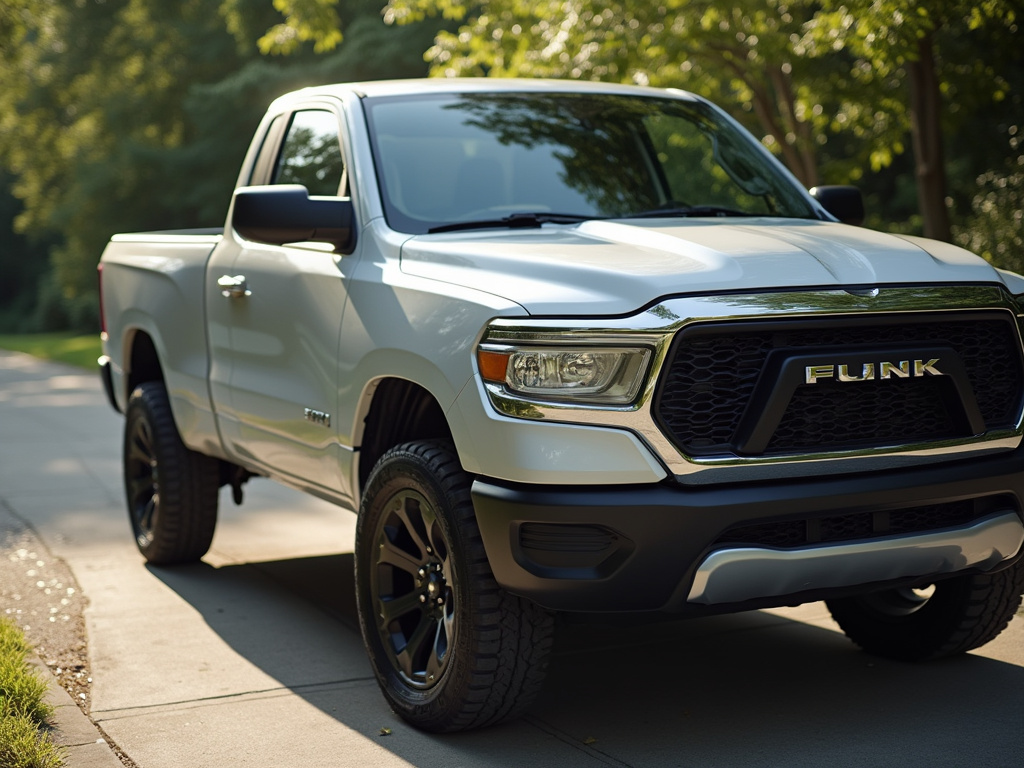
The legal framework for door-to-door car shipping is a complex interplay of federal and state regulations, primarily overseen by the Federal Motor Carrier Safety Administration (FMCSA) under the Department of Transportation (DOT). These regulations are in place to ensure safety, security, and fair practices for both carriers and customers. Understanding these rules is important when considering whether and when to hire door-to-door car shipping services.
the Motor Carrier Act requires carriers to comply with specific safety and operating standards, including vehicle maintenance, driver qualifications, and hours-of-service regulations. International Motor Carrier (IMC) Regulations further govern the transportation of goods across state lines, including cars. These rules dictate routes, weight limits, and other factors, ensuring an uniform and safe standard across the industry. Compliance is not merely a legal obligation; it also guarantees a smoother, faster, and more reliable shipping process.
Choosing a door-to-door car shipping service involves careful consideration. Customers should assess the carrier’s reputation, insurance coverage, and customer support. Online car shipping platforms offer transparency and comparison tools, enabling users to compare rates, services, and reviews. According to a 2022 survey, over 80% of customers who used online platforms reported positive experiences, highlighting the value of digital tools in this sector. However, when selecting a service, it’s equally important to ask about the shipping timeline. How long does door-to-door car shipping take? On average, it can take anywhere from 3 to 7 days, depending on the distance, weather conditions, and the carrier’s schedule. Efficient carriers can offer expedited services, but these come at a premium.
To ensure the best experience, customers should engage with auto transport companies or door-to-door delivery services that offer real-time tracking, clear communication, and flexible scheduling. This proactive approach helps manage expectations and allows for quick adjustments if needed. In a dynamic industry like car shipping, staying informed and working with reputable, compliant operators is key to a successful, stress-free door-to-door shipping experience.
– Overview of regulations by Federal Motor Carrier Safety Administration (FMCSA) and Department of Transportation (DOT).

The process of door-to-door car shipping, where vehicles are transported directly from a customer’s location to their final destination, is regulated by several key entities, with the primary focus on ensuring safety, security, and customer protection. The Federal Motor Carrier Safety Administration (FMCSA) and the Department of Transportation (DOT) in the United States play key roles in overseeing this industry. These regulatory bodies enforce strict guidelines, including those set forth by the Motor Carrier Act and International Motor Carrier (IMC) Regulations, to govern the operations of auto transport companies.
FMCSA mandates that carriers comply with safety fitness standards, maintain proper insurance, and follow specific operating procedures to prevent accidents and incidents. They enforce hours-of-service regulations to ensure drivers are not fatigued, thereby enhancing overall safety during door-to-door car shipping operations. The DOT, on the other hand, oversees the broader transportation industry, including auto shipping, by setting national standards and enforcing compliance with its regulations. These regulations cover various aspects, such as vehicle inspection, documentation, and reporting, to ensure a smooth and secure shipping experience for customers.
When utilizing door-to-door car shipping, clients should expect transparent communication about these regulations and their implications. Auto transport companies and online shipping platforms should provide clear information on the steps they take to adhere to FMCSA and DOT guidelines. This includes details about driver qualifications, vehicle condition assessments, and the security measures in place to protect the vehicle during transit. Understanding these processes empowers customers to make informed decisions, knowing what to expect from door-to-door car shipping and how their vehicles will be handled.
The costs associated with door-to-door car shipping can vary widely based on several factors, including vehicle size, distance traveled, and the level of service required. According to industry data, the average cost for door-to-door car shipping within the US can range from $800 to $2,000, with premium services commanding higher rates. Customers should be wary of signs indicating excessive pricing or lack of transparency, as these might suggest subpar compliance with regulations or questionable business practices. Reputable auto shipping companies should provide detailed, itemized quotes, allowing clients to compare costs and choose the best-suited service for their needs.
| Factor | What to know |
|---|---|
| Regulatory oversight | FMCSA and DOT enforce safety, insurance, and operating standards |
| Shipping timeline | Typically takes 3 to 7 days depending on distance and weather |
| Damage risk reduction | Reduces vehicle damage risk by 35% versus drop-off/pick-up shipping |
| Customer preference | 73% of customers preferred door-to-door shipping in 2022 survey |
| Cost savings | Can save up to 20% compared to traditional shipping methods |
| Online platform satisfaction | Over 80% of users reported positive experiences with online platforms |
– Importance of Motor Carrier Act and International Motor Carrier (IMC) Regulations for interstate shipping.

The efficient and safe transport of vehicles across state lines is a regulated industry, with stringent rules ensuring consumer protection and safety. The Motor Carrier Act, enforced by the Federal Motor Carrier Safety Administration (FMCSA), sets the framework for interstate shipping, including door-to-door car shipping services. This legislation mandates specific standards for motor carriers, including safety inspections, driver qualifications, and vehicle maintenance, to minimize risks and ensure a reliable transportation network.
For door-to-door car shipping, the International Motor Carrier (IMC) Regulations further delineate requirements, especially for international and multi-state moves. These regulations cover various aspects, such as licensing, insurance, and documentation, to streamline and secure the process. IMC Regulations are designed to facilitate global trade while upholding safety and environmental standards, ensuring that car shipping companies adhere to an unified set of rules when operating across borders or state lines.
To qualify for door-to-door car shipping, companies must meet specific criteria, including holding valid licenses from relevant authorities and ensuring their vehicles comply with safety standards. Clients should carefully vet car shipping providers by checking their credentials, insurance coverage, and customer reviews. When choosing a door-to-door car shipping service, consider factors like price, turnaround time, and the provider’s ability to handle special requests or unique vehicle types. According to industry reports, the average cost for door-to-door car shipping can range from $800 to $1,500, depending on factors like distance, vehicle weight, and destination.
understanding the legal framework, such as the Motor Carrier Act and IMC Regulations, is important when considering door-to-door car shipping. These regulations ensure that the industry remains safe, efficient, and transparent, providing peace of mind for consumers who require reliable vehicle transportation services.
Frequently Asked Questions About The service
What is door-to-door car shipping?
Door-to-door car shipping, also known as point-to-point or direct-to-destination shipping, is a service that transports vehicles directly from a client’s location to a specified destination. Unlike traditional shipping methods that require vehicles to be dropped off at a terminal, this service brings the shipping container to the client’s doorstep, eliminating the need for drop-off and pick-up. This convenient approach is especially beneficial for individuals who lack the time, resources, or ability to transport their vehicles themselves.
How does the process work?
The process begins with the client requesting door-to-door car shipping from a specialized carrier. The carrier assesses the vehicle’s pickup location, size, and condition to determine the best method and pricing. On the scheduled day, a transport vehicle arrives, secures the car, and delivers it to the final destination. The entire process is typically smooth and requires minimal client involvement.
What types of vehicles can be shipped?
Door-to-door car shipping accommodates a wide range of vehicles, including cars, trucks, SUVs, motorcycles, and even recreational vehicles (RVs). The service is flexible and adaptable, allowing for the transportation of both standard and specialty vehicles. Car carriers are designed to securely hold and protect vehicles during transit, ensuring they arrive in the same condition they were in when picked up.
Are there any restrictions or weight limits?
Yes, door-to-door car shipping services typically have restrictions and weight limits based on the type of vehicle and the carrier’s capacity. Some carriers may have maximum weights for single vehicles, and additional fees might apply for oversized or heavy vehicles. It’s important to disclose all vehicle details, including dimensions and weight, to ensure accurate pricing and a smooth shipping experience.
How do I prepare my vehicle for shipping?
Before shipping, ensure your vehicle is clean, serviced, and in good working order. Remove any personal items, and securely fasten loose objects inside and outside the vehicle. Keep important documents like registration, insurance, and ownership papers readily available. Following these steps ensures a stress-free shipping process and helps protect against potential damage or loss during transit.
What happens if my vehicle incurs damage during shipping?
In the unlikely event of vehicle damage during shipping, the carrier is responsible for conducting a thorough inspection and documenting any pre-existing conditions. If damage occurs, the carrier will work with the client to resolve the issue, which may include repairs, replacements, or compensation, depending on the terms outlined in the shipping contract. Timely communication and detailed records are essential for a successful resolution.
Can I track my vehicle during transit?
Yes, many door-to-door car shipping services offer real-time tracking capabilities. Clients can receive regular updates on their vehicle’s location and progress, ensuring transparency and peace of mind throughout the shipping process. This feature is particularly useful for high-value vehicles or those requiring specialized care.
The service is a complex process that demands a deep understanding of federal regulations, particularly those set forth by the FMCSA and DOT. These agencies oversee a solid legal framework, including the Motor Carrier Act and IMC Regulations, to ensure safe and efficient interstate transport. By adhering to these guidelines, auto transport companies can provide smooth door-to-door delivery services, satisfying both carriers and clients.
In practice, this involves meticulous planning, proper licensing, and adherence to safety standards. Online platforms and customer support hotlines play an important role in simplifying the process for clients, offering transparency and real-time tracking. Armed with this knowledge, businesses and individuals alike can handle the door-to-door shipping field with confidence, ensuring their vehicles are moved securely and legally.