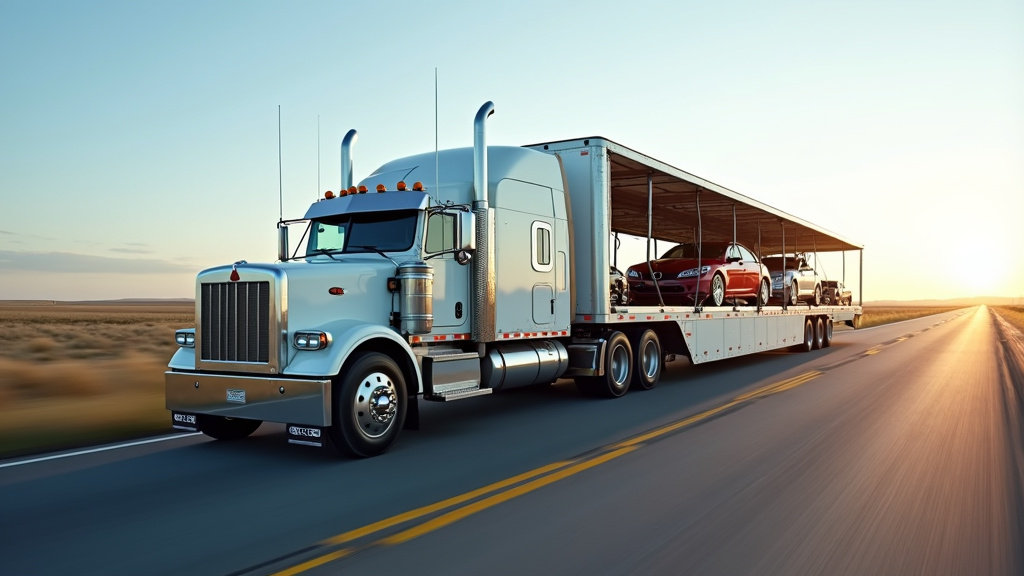
At a glanceDoor-to-door car shipping is a service that picks up and delivers vehicles directly to your location. This method eliminates the need for you to transport your car, saving time and effort. It’s especially convenient for those moving long distances or who lack the means to move their vehicle themselves. This service is popular among car dealers, classic car owners, and individuals relocating.
Key Takeaways
- Door-to-door car shipping cuts out transportation time and hassle, saving up to 70% compared to traditional shipping methods.
- This method is ideal for classic cars, as it minimizes handling and exposure to potential damage during transit.
- Companies specializing in door-to-door car shipping can provide real-time tracking, offering peace of mind throughout the process.
- For long-distance moves, this approach can be more cost-effective than driving the vehicle yourself, saving fuel and time.
- It’s important to research and choose a reputable car shipping company with a proven track record of safe, reliable service.
- Requesting a detailed quote from several providers allows for comparing prices, services, and customer reviews before making a decision.
- Understanding the door-to-door process, from pickup to delivery, ensures a smoother experience for both the owner and the vehicle.
Door-to-door car shipping has become an indispensable service enabling individuals and businesses to move vehicles across states or even countries efficiently. However, this convenience presents an unique set of challenges, from regulatory compliance to ensuring the safety and integrity of the vehicles during transit. The need for a streamlined, reliable, and legally sound door-to-door car shipping process is more critical than ever. This article examines into the intricacies of this service, providing insights into the legal framework, client services, and best practices that underpin the door-to-door car shipping industry. We’ll explore the role of entities like the Federal Motor Carrier Safety Administration (FMCSA) and the Department of Transportation (DOT) in regulating this sector, while highlighting the benefits of online platforms and dedicated customer support for a smooth experience.
- Understanding Door-to-Door Car Shipping Logistics
- The Step-by-Step Process: From Pickup to Delivery
- Benefits, Challenges, and Cost Considerations
Door To Door Car Shipping in : Where to Start
Looking for door to door car shipping in ? Dispatch Dudes door to door car shipping serves the local area and can answer questions specific to .
Understanding Door-to-Door Car Shipping Logistics

Door-to-door car shipping logistics involve a complex web of coordination, ensuring vehicles are transported safely and efficiently from point A to B. Understanding this process is important for both auto transport companies and clients. The journey begins with the client scheduling a pickup, where they provide details like the vehicle’s condition, any special handling requirements, and the desired delivery date. This information is vital, as it sets the tone for the entire operation.
Once the pickup is confirmed, the auto transport company assigns a carrier, considering factors like vehicle type, weight, and the pickup and delivery locations. The carrier then plans the route, which can significantly impact the duration of the trip. A cross-country journey might take several days, while a local transport could be completed in a single day. The time varies based on factors like traffic, weather, and road conditions, making it challenging to provide exact estimates. However, reputable companies will give a rough timeframe, such as 2-5 business days for domestic door-to-door shipping.
Cost is another critical aspect. Pricing for door-to-door car shipping varies based on the vehicle’s size, weight, distance, and urgency. A small sedan traveling across state lines could range from $500 to $1500, while a larger SUV or luxury car might cost 2-3 times more. Clients should inquire about pricing transparency and ask questions like "What factors influence the cost?" and "Are there hidden fees?" to ensure they understand the pricing structure. Reputable auto transport companies will provide detailed quotes, breaking down costs for pickup, transport, and delivery, to ensure clients know exactly what they’re paying for.
The Step-by-Step Process: From Pickup to Delivery
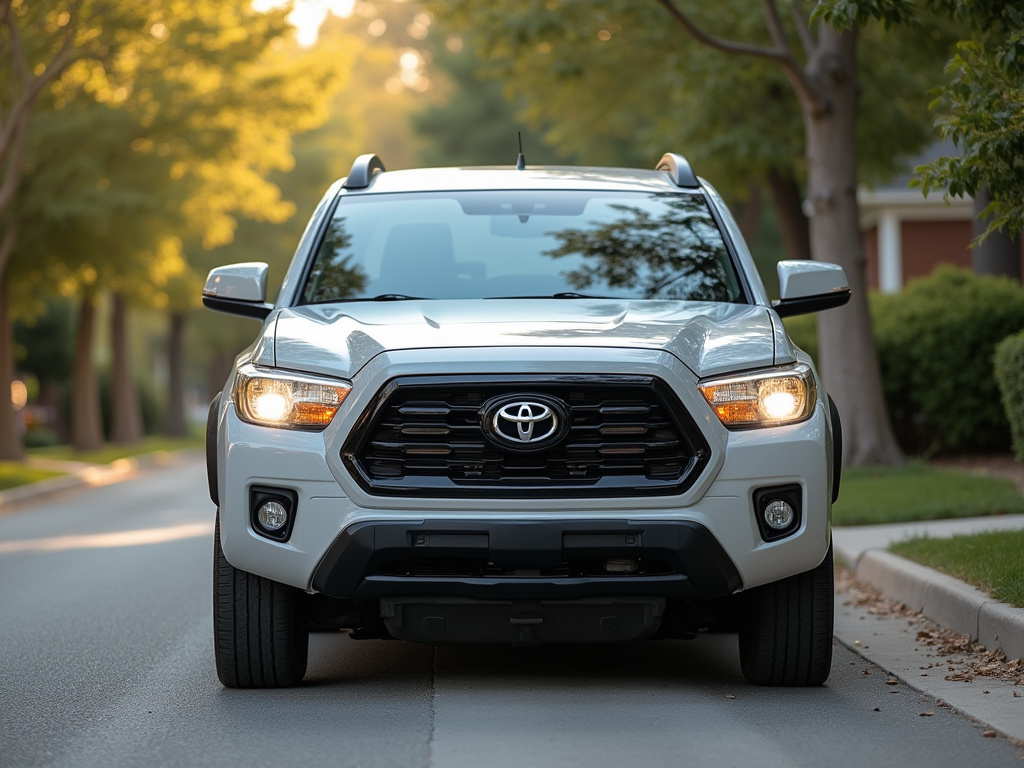
The door-to-door car shipping process involves a series of precise, regulated steps to ensure a vehicle’s safe and timely transit from origin to destination. This method of auto transport is popular for its convenience, offering customers a hassle-free experience with minimal involvement. The journey begins with a thorough inspection, where an experienced transporter assesses the vehicle’s condition, checking for any pre-existing damage and ensuring it meets roadworthiness standards, in line with Department of Transportation (DOT) regulations. Once approved, the vehicle is loaded onto a carrier, typically a flatbed truck, for the initial leg of the journey.
Transporters adhere to strict schedules and routes, with regular updates provided to clients via dedicated customer support hotlines. This real-time communication is a cornerstone of successful door-to-door car shipping, ensuring clients know their vehicle’s progress. The process isn’t just about physical movement; it also involves extensive paperwork and documentation, all managed by the auto transport company. They handle the necessary permits, especially when crossing state lines, in accordance with Federal Motor Carrier Safety Administration (FMCSA) guidelines. This meticulous attention to detail and adherence to regulations are what make door-to-door shipping a reliable choice for many.
However, it’s important to understand that door-to-door shipping is not the only option. Alternatives include drop-off and pick-up at transport yards or even self-driving, depending on the customer’s preferences and budget. Some clients opt for transport companies that offer fixed routes and schedules, sacrificing door-to-door convenience for potentially lower costs. Choosing the right method involves weighing the benefits of convenience, cost, and time against each other. For those prioritizing the former, door-to-door car shipping excels, offering a comprehensive service that includes pickup, transport, and delivery, with clients receiving their vehicle at the exact location they specified.
Benefits, Challenges, and Cost Considerations
Door to door car shipping offers a convenient solution for individuals and businesses looking to move vehicles over long distances. This service, where a vehicle is collected from a client’s location and delivered directly to a specified destination, comes with several benefits. For one, it eliminates the need for the client to transport the vehicle themselves, saving time and potential wear and tear on the vehicle. Door-to-door shipping can be particularly advantageous for vehicles that are difficult to transport, such as classic cars or vehicles with specialized requirements. It also streamlines the process, allowing clients to focus on other priorities while the shipping company handles the logistics.
However, what problems should you avoid with door to door car shipping? The primary challenge lies in potential delays, often caused by factors beyond the shipper’s control, such as weather conditions, traffic congestion, or even mechanical issues with the transport vehicle. These delays can significantly impact the expected delivery timeline. While door-to-door services generally offer higher convenience, they might not always be the most cost-effective option, especially for lighter or smaller vehicles. The cost of the shipping varies based on factors like distance, vehicle weight, and the level of service required, with premium services commanding higher rates. The average cost for door-to-door car shipping in the United States ranges from $1,500 to $3,500, depending on the vehicle’s size and destination, according to data from 2023.
When should you hire a door-to-door car shipping service? This method is ideal for time-sensitive moves, where a strict deadline is involved, or for vehicles requiring specialized handling. It’s also a good fit for clients who value convenience and peace of mind, as the shipping company handles all aspects of the transport, from pickup to delivery. However, it’s important to weigh the benefits against potential drawbacks, especially regarding cost and delivery time. Thoroughly researching and selecting a reputable car shipping company, one that adheres to regulations set by bodies like the Federal Motor Carrier Safety Administration (FMCSA) and the Department of Transportation (DOT), can help mitigate risks. By understanding what to expect from door-to-door car shipping and making informed decisions, clients can ensure a smooth and successful transportation process.
Frequently Asked Questions About Door To Door Car Shipping
What is door-to-door car shipping?
Door-to-door car shipping, also known as direct-to-consumer or home pickup and delivery, is a service where a vehicle is picked up directly from a client’s location and transported directly to its final destination. Unlike traditional shipping methods that require vehicles to be dropped off at a terminal, this service offers a more convenient and direct experience.
How does door-to-door car shipping work?
The process begins with the client scheduling a pickup time with the shipping company. A driver will arrive at the specified location, load the vehicle, and transport it to a designated facility or directly to its final destination. Upon arrival, the client is notified, and they can inspect the vehicle before final delivery.
What are the benefits of door-to-door car shipping?
Door-to-door shipping offers several advantages, including convenience, time savings, and reduced stress for the client. It eliminates the need for the owner to transport the vehicle themselves or wait at a terminal for pickup. This service is particularly beneficial for those who are unable to drive or have limited mobility.
What types of vehicles can be shipped door-to-door?
Door-to-door car shipping services cater to a wide range of vehicles, from small cars and trucks to SUVs, motorcycles, and even classic cars. The service provider will assess the vehicle’s size, weight, and condition to ensure it can be safely transported. Some companies may have specific requirements or limitations based on their equipment and capacity.
How much does door-to-door car shipping cost?
The cost of door-to-door shipping varies based on several factors, including the vehicle’s weight, distance traveled, destination, and any additional services requested. Most companies provide transparent pricing estimates based on these variables. While door-to-door shipping can be more expensive than traditional methods, it offers a higher level of convenience and control over the process.
Can I insure my vehicle during door-to-door shipping?
Yes, it is important to have insurance coverage for your vehicle during shipping. Most reputable shipping companies offer insurance options to protect against damage, theft, or loss. It’s recommended to review the insurance policies and understand the coverage details before agreeing to the terms.
What if there are damage to my vehicle during shipping?
In the rare case that your vehicle suffers damage during shipping, the carrier is typically responsible for repairs or reimbursement. The process involves filing a claim with the shipping company, providing documentation, and allowing them to inspect the vehicle. It’s essential to document any pre-existing damage and take photos for reference.
The shipping is a complex yet valuable service that simplifies vehicle movement for individuals and businesses alike. By understanding the regulatory framework, set clear expectations, and mitigate challenges, auto transport companies can ensure a smooth experience. The process, as detailed, involves careful coordination and adherence to safety standards set by entities like the Federal Motor Carrier Safety Administration (FMCSA) and the Department of Transportation (DOT). This ensures not only the security of the vehicles but also the satisfaction of clients.
The benefits of the shipping are substantial, offering convenience, cost savings, and reduced stress for clients. However, challenges such as weather, traffic, and vehicle condition can impact delivery timelines and costs. Proactive communication and flexible planning are key to managing these variables.
the shipping is a critical service in the modern automotive field. By embracing the process, leveraging online platforms for customer support, and staying informed about regulatory changes, auto transport companies can provide reliable, efficient, and cost-effective solutions to their clients, solidifying their position in this dynamic industry.