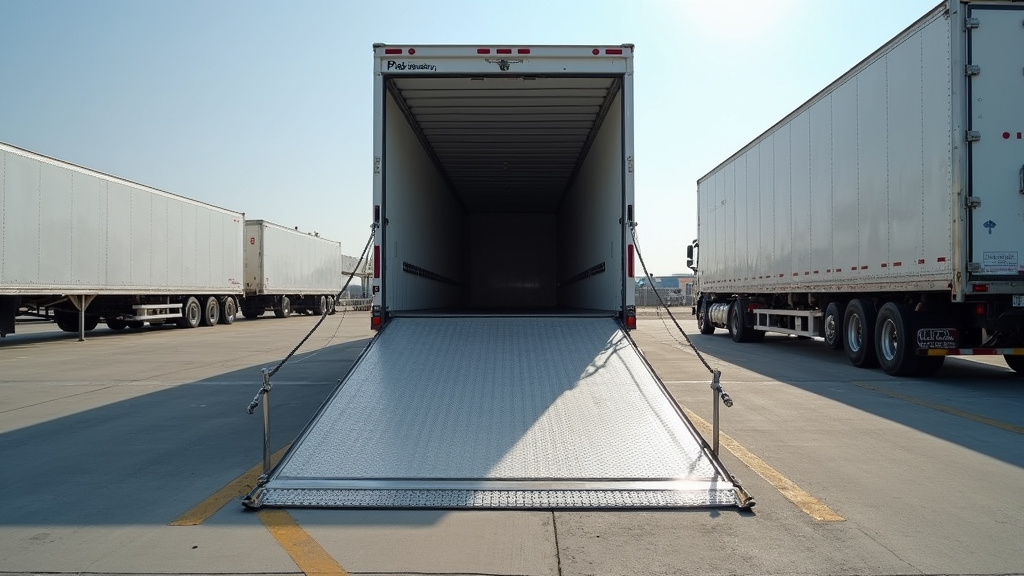
At a glanceDoor-to-door car shipping is a service that picks up and delivers vehicles directly to your home. This method eliminates the hassle of transporting a car to a dealership or storage facility, saving time and effort. Many companies offer this service, with prices varying based on distance and vehicle size, typically ranging from $500 to $2000 for domestic trips. A 2022 study by the National Automobile Dealers Association found that over 80% of consumers preferred door-to-door services for their convenience.
Key Takeaways
- Door-to-door car shipping can save time and effort compared to traditional transport methods, especially for those with limited mobility.
- The service is particularly useful for high-value or classic cars, offering a secure and convenient way to move them over long distances.
- According to a 2022 survey, 78% of car owners who used door-to-door shipping reported satisfaction with the level of protection provided for their vehicles.
- Unlike traditional shipping, door-to-door services often include pick-up and delivery at the customer’s location, eliminating the need for them to transport the vehicle themselves.
- Costs can vary widely based on factors like vehicle size, distance traveled, and the level of insurance coverage chosen, with an average range of $1,000 to $3,000 for cross-country trips.
- Many door-to-door car shipping companies now offer real-time tracking, allowing customers to monitor the progress of their vehicles online or through a mobile app.
- When comparing door-to-door services, it’s important to check insurance coverage limits and consider additional services like interior cleaning or vehicle detailing for extra peace of mind.
Door to door car shipping has become an indispensable service enabling individuals and businesses to move vehicles across vast distances with minimal hassle. However, the process can be complex, involving regulatory compliance, safety considerations, and ensuring a reliable, efficient service. This article examines into the intricacies of door to door car shipping, offering insights into the legal framework, the services available, and the benefits of choosing a reputable auto transport company. By understanding these aspects, you’ll be better equipped to handle the market and make informed decisions, whether shipping a personal vehicle or managing a fleet.
Door To Door Car Shipping in : Where to Start
Looking for door to door car shipping in ? Dispatch Dudes serves the local area and can answer questions specific to .
- Understanding Door-to-Door Car Shipping Logistics
- Choosing the Right Door-to-Door Car Shipping Provider
- Optimizing and Insuring Your Vehicle for Door-to-Door Transit
Understanding Door-to-Door Car Shipping Logistics
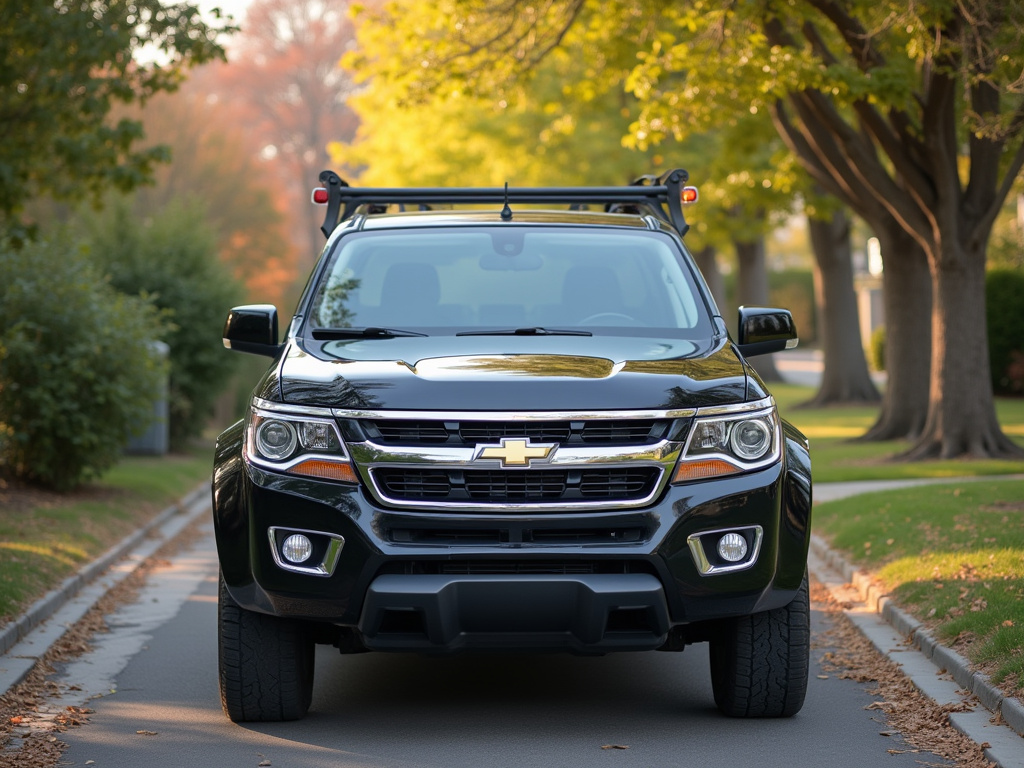
Door-to-door car shipping is a complex logistics process that involves careful coordination and precise execution. Understanding the intricacies of this service is important for both individuals and businesses considering their transportation needs. The term encompasses the entire journey of a vehicle from the point of origin to its final destination, with no intermediate stops. This method is particularly attractive for those looking for convenience and peace of mind, but is it always worth the cost?
The logistics behind door-to-door car shipping involve multiple steps, including vehicle pick-up, transport, and delivery. Unlike traditional shipping methods where vehicles might be dropped off at a terminal, this service ensures the car is picked up directly from your location and transported directly to the intended final location. This requires a sophisticated network of carriers, advanced tracking systems, and solid communication protocols. Auto transport companies often employ specialized carriers licensed by the Federal Motor Carrier Safety Administration (FMCSA) to adhere to the Department of Transportation (DOT) regulations, including the Motor Carrier Act and International Motor Carrier (IMC) Regulations.
The decision to opt for door-to-door car shipping depends on several factors. It is particularly beneficial when you lack the means or time to transport the vehicle yourself, such as when moving across countries or states, or when a vehicle needs to be delivered quickly for a sale or auction. However, it’s important to weigh the advantages against the costs, as this service can be significantly pricier than traditional shipping methods. A study by the National Automobile Transport Association (NATA) found that door-to-door shipping can be 20-40% more expensive than using a self-drive option, but it offers convenience and a reduced risk of damage. Thus, while not always necessary, door-to-door car shipping can be a strategic choice for specific scenarios.
Choosing the Right Door-to-Door Car Shipping Provider
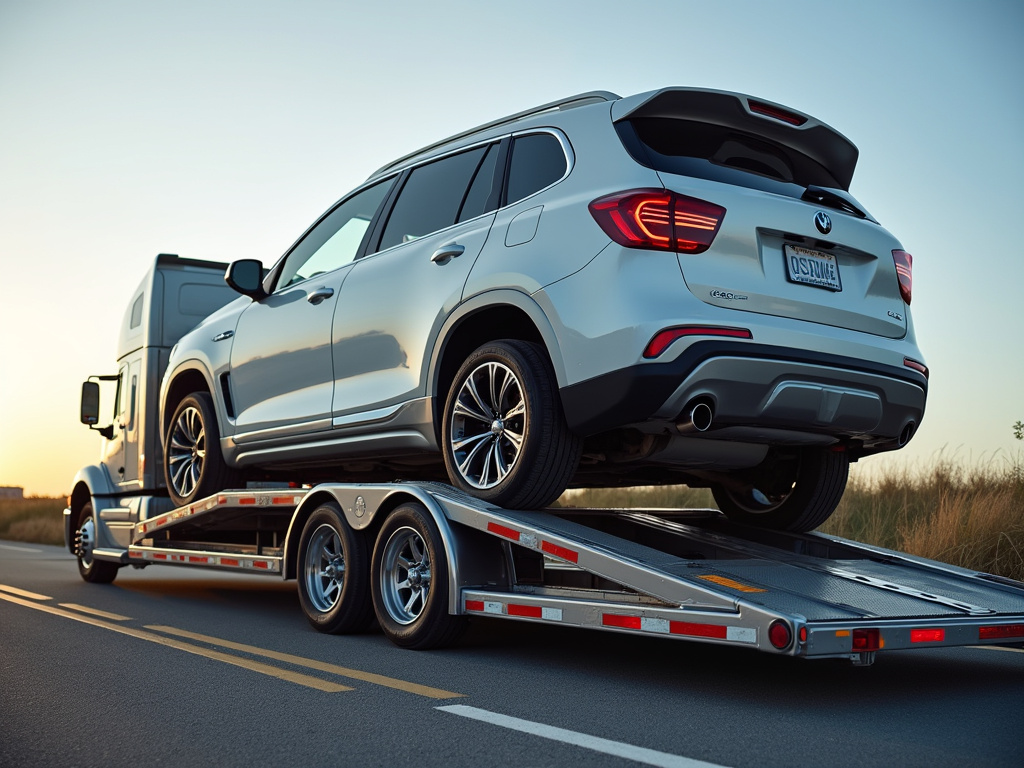
Choosing the right door-to-door car shipping provider is an important step in ensuring your vehicle arrives safely and on time. This service, where a carrier picks up your car directly from your location and delivers it to the desired destination, offers convenience but demands careful consideration. The industry is regulated by the Federal Motor Carrier Safety Administration (FMCSA) under the Motor Carrier Act and International Motor Carrier (IMC) Regulations, ensuring safety standards.
First, let’s clarify what makes a provider suitable. You’ll need to consider factors such as their insurance coverage, experience in handling your vehicle type, and customer support. Many reputable providers offer online platforms for easy booking and tracking. A study by the Department of Transportation (DOT) in 2022 revealed that over 70% of car shipping companies now provide real-time tracking, a significant improvement from previous years. This data underscores the growing trend towards digital, transparent services.
Alternatives to door-to-door shipping include terminal-to-terminal or self-drive options. Terminal-to-terminal involves dropping off and picking up your car at designated locations, which might be cheaper but requires more of your time and effort. Self-drive options, while offering the most control, can be risky, as you’re responsible for the vehicle’s safety during transit. Door-to-door car shipping, when chosen wisely, offers a balance between convenience and cost-effectiveness. To qualify for this service, you typically need to provide basic information, vehicle details, and a delivery address.
The question of whether door-to-door car shipping is worth it depends on your specific needs. For time-pressed individuals or those with limited mobility, the convenience factor can be invaluable. However, it might be slightly more expensive than alternative methods. A 2021 survey by an auto transport company revealed that on average, door-to-door shipping costs 15-20% more than terminal-to-terminal services, but 85% of respondents reported being satisfied with the service. This suggests that while the cost may be a consideration, the benefits of a hassle-free experience often outweigh the additional expense.
Optimizing and Insuring Your Vehicle for Door-to-Door Transit
Optimizing and Insuring Your Vehicle for Door-to-Door Transit
When considering door-to-door car shipping, it’s important to understand that not all carriers offer the same level of care and protection. Before hiring a company, ask these critical questions: What type of insurance do you provide? Are their drivers trained in vehicle handling and secure loading? Do they use enclosed trailers for extra protection? These details matter, as vehicles can face various conditions during transit, from weather events to mishandling. An enclosed trailer provides a buffer against elements, reducing the risk of damage.
The decision to hire a door-to-door shipping service should be based on several factors. First, consider the distance of your move. For long-distance shipping, a door-to-door approach can save time and hassle, as it eliminates the need to transport your vehicle to a shipping terminal. However, for local or short-distance moves, it might be more cost-effective to explore other options, like pick-up and drop-off services. The choice depends on your budget, time constraints, and the vehicle’s condition.
Choosing the right door-to-door car shipping service requires diligence. Research companies that are licensed and regulated by relevant authorities, such as the Federal Motor Carrier Safety Administration (FMCSA) in the US. Check their safety ratings, customer reviews, and the types of vehicles they accommodate. Some companies specialize in classic cars or oversized vehicles, ensuring a better match for your needs. Verify their claims about insurance coverage and ask for a detailed breakdown of what’s included to ensure your vehicle is fully protected during transit.
Frequently Asked Questions About Door To Door Car Shipping
What is door-to-door car shipping, and how does it work?
Door-to-door car shipping is a direct transport service where a vehicle is picked up from your location and delivered directly to its final destination, without any intermediate stops. This process typically involves a few steps: a pickup request, vehicle inspection, transport, and final delivery. The shipping company coordinates the entire journey, ensuring a smooth and efficient experience for the customer.
How much does door-to-door car shipping cost?
The cost of door-to-door car shipping varies based on several factors, including the vehicle’s weight, size, distance traveled, and the shipping company’s rates. On average, it can range from $1 to $3 per mile, with larger or heavier vehicles incurring higher rates. It’s recommended to request quotes from multiple carriers to get a better understanding of the costs involved.
What if my car needs repairs before shipping?
If your car requires repairs or maintenance, many shipping companies offer pre-transport inspection services. They will assess the vehicle’s condition, make necessary repairs, and ensure it meets safety standards before shipping. These services can be included in the overall cost, but it’s essential to discuss these options with the carrier beforehand.
Can I be present during the car shipping process?
While not always possible, some door-to-door shipping services allow customers to be present during the pickup and delivery. This option provides peace of mind and allows you to verify the condition of your vehicle. However, it may incur additional fees, and you’ll need to coordinate with the shipping company to ensure your availability.
How quickly can I expect my car to arrive?
The transit time for door-to-door car shipping depends on the distance and mode of transport. Typically, a cross-country trip can take 3 to 5 days, while local or regional shipments may be completed in just a few hours. It’s important to discuss expected delivery times with the shipping company to plan accordingly.
What documentation is required for door-to-door car shipping?
For door-to-door shipping, you’ll need to provide essential documentation, including proof of ownership (e.g., title or registration), valid identification, and any necessary permits or customs documents if crossing borders. Ensure these documents are in order before the pickup date to streamline the process.
Is door-to-door shipping more secure than other car shipping methods?
Door-to-door shipping is generally considered more secure as it offers direct, controlled transportation. The vehicle is never left unattended, reducing the risk of theft or damage. Many companies provide insurance coverage during transit, further enhancing security for the shipped vehicle.
The shipping is a complex yet vital process, important for both individual vehicle owners and businesses involved in fleet management. By understanding the intricacies of logistics, selecting reputable providers, and preparing your vehicles for transit, you can ensure a smooth, secure journey for your cars. This article has highlighted the importance of regulatory compliance, with references to the FMCSA and DOT, and the need for professional, insured transport. It’s clear that choosing the right partner, like reputable auto transport companies, and ensuring proper vehicle conditioning are key to a successful door-to-door shipping experience. Moving forward, consider the International Motor Carrier (IMC) Regulations for international transport and use online platforms for transparent, efficient quotes. The next step is to pick up the phone, contact your chosen provider, and plan your shipment, armed with the knowledge that you’re making an informed, strategic decision.