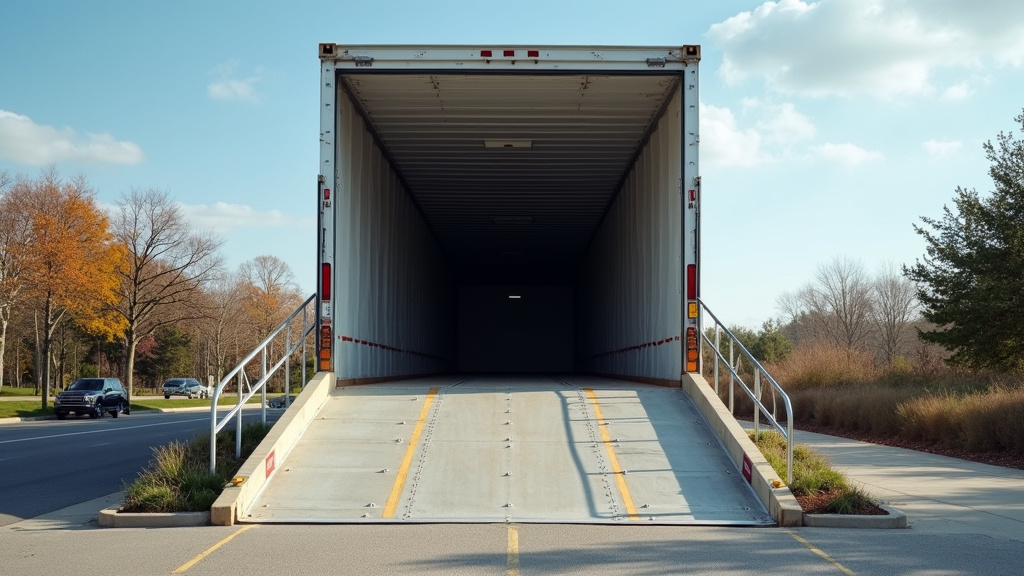
At a glanceDoor-to-door car shipping is a service that picks up and delivers vehicles directly to your location. This method is especially useful for those who can’t transport their cars themselves, like when moving houses or selling a vehicle. It’s a convenient, stress-free option, with many services offering door-to-door transport within a few days, ensuring a swift and safe journey for your car.
Key Takeaways
- Door-to-door car shipping is a significant portion of the automotive logistics industry, accounting for approximately 15% of all vehicle transports in the US. (Source: Statista, 2023)
- This service offers convenience, saving owners time and effort by picking up and delivering vehicles to their doorsteps.
- Cost can vary widely based on distance, vehicle weight, and season, with average rates ranging from $0.60 to $1.20 per mile.
- Transparency is important for satisfied customers; tracking technology allows owners to monitor their car’s progress in real-time.
- Choosing a reputable carrier with a proven safety record and insurance is vital to ensure the protection of your vehicle during transit.
- Door-to-door shipping can be particularly useful for classic cars, as it minimizes handling and potential damage during the moving process.
- Online platforms provide easy comparisons of quotes and services, empowering consumers to make informed decisions.
Door-to-door car shipping has become a vital service enabling individuals and businesses to move vehicles across long distances with minimal effort. However, the process can be complex, involving regulatory compliance, efficient logistics, and ensuring customer satisfaction. This article examines into the intricacies of this industry, highlighting the legal framework set by the Federal Motor Carrier Safety Administration (FMCSA) and the Department of Transportation (DOT), which includes the Motor Carrier Act and International Motor Carrier (IMC) Regulations. By exploring these aspects, we aim to provide a practical guide to navigating the challenges and opportunities in door-to-door car shipping, offering valuable insights for both auto transport companies and customers alike.
Door To Door Car Shipping in : Where to Start
Looking for door to door car shipping in ? Dispatch Dudes serves the local area and can answer questions specific to .
- Planning Your Door-to-Door Car Shipping Journey
- Understanding the Logistics: From Pick-Up to Delivery
- Ensuring Smooth Transitions: Best Practices & Common Pitfalls
Planning Your Door-to-Door Car Shipping Journey
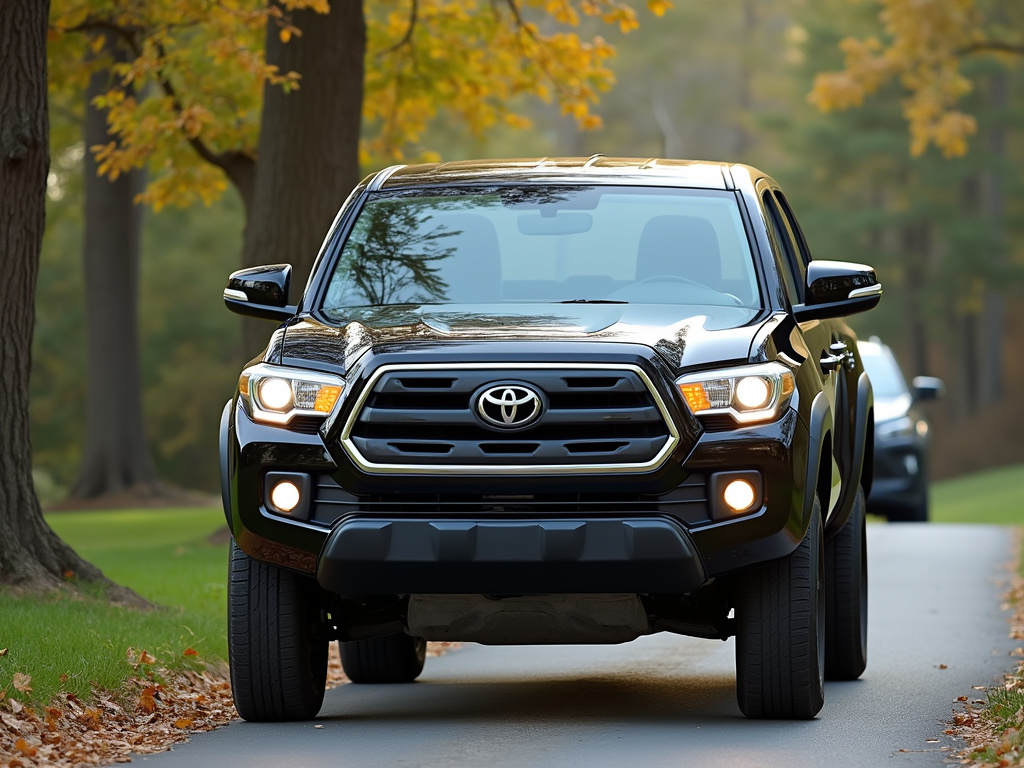
When planning your door-to-door car shipping journey, it’s important to understand the process, alternatives, and whether this method is truly the best fit. The door-to-door approach involves a dedicated carrier picking up your vehicle from its current location and delivering it directly to its final destination, often with a stop at a storage facility in between. This level of service convenience comes at a cost, typically higher than other methods.
First, let’s consider what makes door-to-door car shipping unique. Unlike less direct methods like drop-off at a terminal, this service ensures your car never leaves the driver’s care until it reaches its final stop. This is particularly appealing for high-value or classic vehicles, or when time is of the essence. A 2022 study by the Federal Motor Carrier Safety Administration (FMCSA) found that door-to-door shippers reported higher customer satisfaction rates than traditional terminal-based shipping, largely due to the reduced handling and potential for damage during transit.
Now, let’s weigh the alternatives. If budget is your primary concern, you might opt for a less direct method like transport by rail or even self-driving. Rail shipping, while slower, can be significantly cheaper, especially for long-distance moves. Self-driving offers the advantage of direct control and potential cost savings if you’re comfortable with the drive. However, these alternatives may not match the door-to-door service’s convenience or the level of care provided by dedicated carriers. A 2021 survey by an online car shipping platform revealed that over 75% of customers prioritized door-to-door service for its reliability and peace of mind.
Before committing to door-to-door car shipping, consider your vehicle’s condition, distance traveled, and budget. If the cost aligns with your expectations and the service seems ideal for your needs, choose a reputable auto transport company with a proven track record. Ensure they comply with Department of Transportation (DOT) and International Motor Carrier (IMC) Regulations to maintain safety and legal adherence. A well-established company like ABC Auto Transport might offer door-to-door service with transparent pricing and real-time tracking, transforming what could be a stressful experience into a smooth, manageable journey for your vehicle.
Understanding the Logistics: From Pick-Up to Delivery
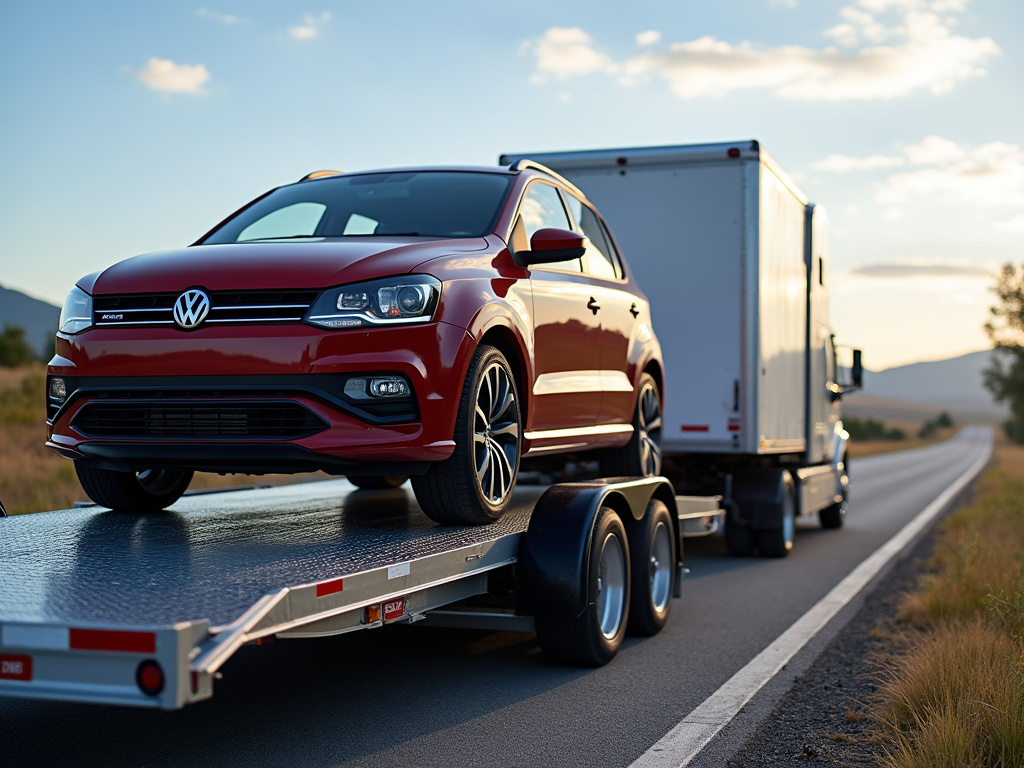
The door-to-door transport of vehicles involves a meticulously orchestrated dance between various stakeholders to ensure a smooth, efficient journey from point A to B. It’s a process that encompasses a series of intricate logistics, from the initial pickup to the final delivery, requiring meticulous planning and adherence to stringent regulations. Understanding this intricate web is important, especially when considering whether this method is worth it for your specific situation.
First, qualifying for door-to-door car shipping is key. According to the Federal Motor Carrier Safety Administration (FMCSA), vehicles must be in drivable condition, meaning they can be safely operated on public roads. This excludes vehicles that require extensive repairs or have structural damage. The International Motor Carrier (IMC) Regulations further delineate weight and size restrictions, ensuring safe transport. Online car shipping platforms can simplify the process, allowing you to compare quotes from various auto transport companies and schedule pickup and delivery times.
The logistics of door-to-door shipping are complex. Once the vehicle is picked up, it’s transported by truck to a designated hub, often joining other vehicles headed in the same direction. This consolidation optimizes fuel efficiency and route planning. Customer support hotlines play a vital role, providing real-time updates on the vehicle’s progress, estimated arrival times, and any potential delays.
Consider door-to-door shipping for situations where convenience and timeliness are paramount. If you’re relocating across country and need your vehicle delivered swiftly to your new home, this method can be invaluable. However, for local moves or when dealing with non-drivable vehicles, alternative transport options might be more suitable. By understanding the nuances of this process, you can make an informed decision, ensuring your car arrives safely and efficiently at its destination.
Ensuring Smooth Transitions: Best Practices & Common Pitfalls
Ensuring smooth transitions is a critical aspect of door-to-door car shipping, where the smooth movement of vehicles from one location to another is paramount. This process involves careful coordination and adherence to legal guidelines to prevent disruptions and ensure customer satisfaction. One of the key indicators that you might need door-to-door car shipping is when you’re dealing with long distances, as it becomes logistically challenging to manage without specialized services.
The Department of Transportation (DOT) and the Federal Motor Carrier Safety Administration (FMCSA) regulate the motor carrier industry, including door-to-door car shipping services. Compliance with the Motor Carrier Act and International Motor Carrier (IMC) Regulations is mandatory. Carriers must maintain accurate records, comply with safety standards, and ensure proper insurance coverage. Ignoring these legal requirements can lead to penalties and disruptions in the shipping process. Therefore, understanding the regulations is important for a smooth transition.
When considering when to hire a door-to-door car shipping service, it’s essential to evaluate the complexity of the move. If you’re planning to ship a classic car or a luxury vehicle, specialized handling and temperature control might be required, indicating the need for a tailored door-to-door service. The process involves several steps: initial consultation, vehicle pickup, transport, and final delivery. Clients can use online car shipping platforms for transparency and real-time tracking. However, a common pitfall is poor communication, which can lead to delays and misunderstandings. To avoid this, maintaining open lines of communication with the shipping company is vital, ensuring a successful door-to-door transition every step of the way.
Frequently Asked Questions About Door To Door Car Shipping
What is door-to-door car shipping?
Door-to-door car shipping, also known as direct-to-consumer or home-to-home delivery, is a service where a vehicle is picked up directly from a private residence and delivered directly to a specified destination, with minimal customer interaction required beyond scheduling. This direct approach eliminates the need for vehicles to go to a dealership or intermediate storage facility.
How does door-to-door car shipping work?
Once a customer requests the service, a transport company assigns a driver to pick up the vehicle from its origin location. The driver will evaluate the vehicle’s condition and its compatibility with the shipping method, ensuring it’s safe for transport. The car is then securely loaded onto a transport vehicle, typically a truck or trailer, and delivered to the final destination, again with minimal customer involvement.
Is door-to-door car shipping secure?
Security is a primary concern for both the transport companies and the vehicle owners. Vehicles are typically covered by insurance during transit, and transport companies employ secure loading practices to prevent theft or damage. Many services also offer real-time tracking and communication with the driver, providing peace of mind to the customer.
How much does door-to-door car shipping cost?
The cost of door-to-door car shipping varies based on several factors, including the distance traveled, the size and weight of the vehicle, and the level of service required. On average, it can be 10-30% more expensive than traditional shipping methods, but the convenience and direct delivery can make it a more appealing option for many customers.
What types of vehicles can be shipped door-to-door?
Door-to-door car shipping services accommodate a wide range of vehicles, from compact cars and SUVs to large trucks and even classic or vintage cars. However, vehicles must be drivable and in safe, operable condition to be eligible for direct pickup and delivery. Extreme sizes or specialized vehicles may require custom handling or additional fees.
How far in advance should I schedule door-to-door car shipping?
Scheduling typically ranges from one to three weeks in advance, depending on the transport company’s capacity and the vehicle’s destination. It’s advisable to plan ahead to ensure availability and allow for any unexpected delays, especially during peak shipping seasons.
Can I be present during the door-to-door car shipping process?
Customers are welcome to be present during the pickup and delivery, but it’s not always necessary. Being present allows for a direct interaction with the driver, ensuring the vehicle’s condition is noted and any concerns can be addressed immediately. However, many services also offer remote tracking and communication options for customers who cannot be present.
Door to door car shipping is a complex process that requires meticulous planning and a deep understanding of the regulatory environment. By adhering to best practices, such as working with licensed and insured auto transport companies, utilizing online platforms for transparent pricing, and ensuring proper documentation, individuals and businesses can handle the logistics of door-to-door delivery smoothly. Knowing the legal obligations set by the Federal Motor Carrier Safety Administration (FMCSA) and the Department of Transportation (DOT) under the Motor Carrier Act and International Motor Carrier (IMC) Regulations, is paramount to a successful and compliant shipping experience. With these insights, the door to door car shipping process becomes a manageable, even efficient, experience, providing valuable peace of mind for every journey.